

Most homeowners give little considered to their roof—till anything moves wrong. Knowledge roofing contractors calgary before a challenge arises may save yourself hundreds of pounds and reduce architectural damage that compounds over time. Here's what the information and style maxims tell us about one of the most typical roofing techniques in residential construction.
How Common Are Sloped Roofs?
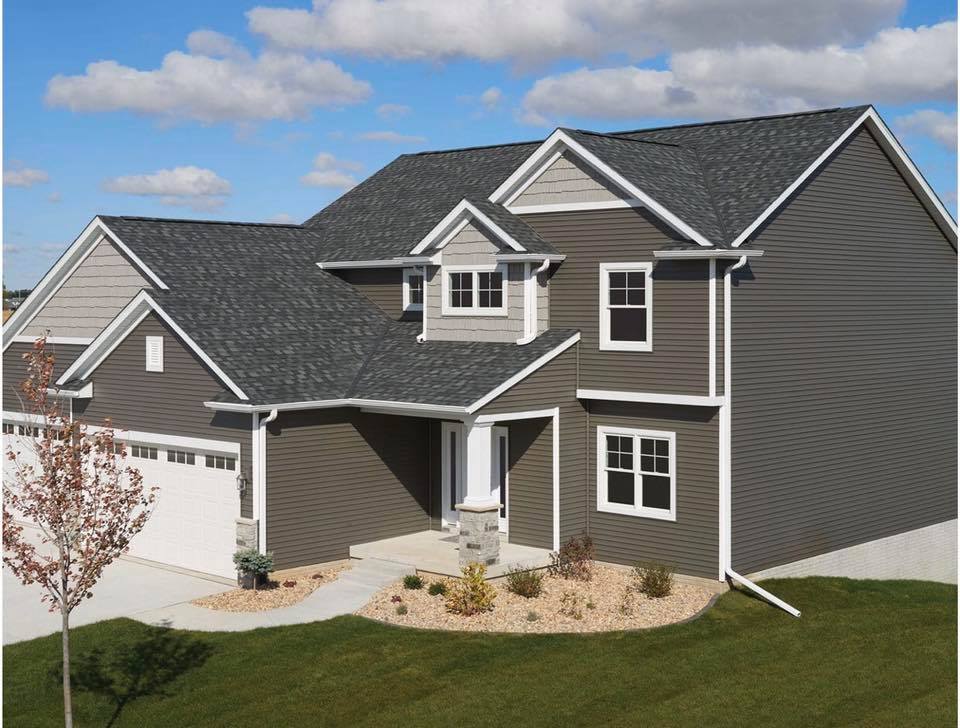
Sloped roofs account for the vast majority of residential roofing across North America. Their dominance boils down to at least one core benefit: gravity-driven water drainage. Unlike flat techniques that require built-in drainage infrastructure, sloped roofs shed rain and reduction snow naturally—reducing the risk of leaks, ponding water, and architectural stress.
Houses with well-maintained sloped roofs also tend to command higher resale values, thanks to equally curb appeal and long-term practical reliability.
What Types of Sloped Roofs Are Most Common?
You will find five principal styles, each suitable for various climates, budgets, and architectural choices:
Gable Roof – The absolute most trusted type in North America. Two hills match at a central form, creating excellent basement ventilation. Cost-effective to build, although it needs proper bracing in high-wind regions.
Trendy Roof – All factors slope downhill to the walls. Remarkable wind weight makes that a preferred choice in storm-prone areas.
Gambrel Roof – A two-slope style per part, frequently related to barns and colonial homes. The steep decrease slope increases attic and upper-floor space.
Mansard Roof – A four-sided type with an almost flat upper area, often noticed in French-inspired and historical downtown architecture. Generates a full functional floor beneath the roofline.
Drop Roof – An individual sloping surface. The easiest and least expensive sloped style to construct, and increasingly popular in contemporary minimal architecture.
How Do Sloped Roof Materials Compare?
Substance variety somewhat influences lifespan, price, and preservation requirements. Here's how the most typical choices stack up:
Asphalt shingles remain typically the most popular selection for budget-conscious homeowners. Slate, on another give, provides the greatest lifespan—frequently outlasting the developing it self when correctly installed.
How Often Should a Sloped Roof Be Inspected?
Roofing professionals recommend a complete inspection one or more times every couple of years, with additional checks subsequent key storms. Essential preservation responsibilities include:
Checking shingles for styling, cracking, or missing portions
Washing gutters and downspouts to stop water copy
Examining sporting about chimneys, ports, and skylights
Removing trash that traps humidity against the surface
Canceling basement ventilation remains maximum
Getting small dilemmas early—a damaged shingle, a small sporting gap—regularly shows more affordable than handling the water damage these problems trigger when left unaddressed.
Is a Sloped Roof Better Than a Flat Roof for Snow?
Yes. Sloped roofs allow snow to go off obviously, lowering ice dam development and preventing harmful snow load accumulation. Steeper pitches—6:12 and above—conduct particularly properly in major snowfall regions. Material roofing used with a high frequency offers the very best snow-shedding mix available.
Final Thought
A sloped roof is not really a structural element—it's a long-term expense in your property's toughness, efficiency, and value. Choosing the right style, product, and maintenance schedule decides how well that investment functions around decades.